
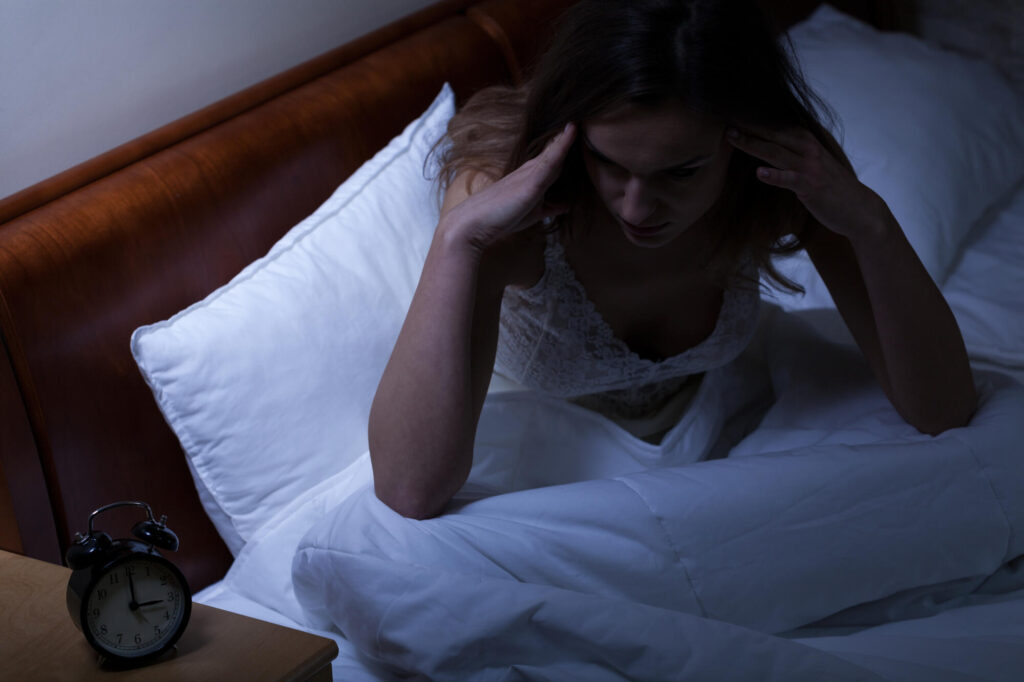
Are you waking up in the middle of the night, soaked in sweat, with your heart pounding, or scratching at skin that won’t stop itching? You may be experiencing histamine dump at night symptoms
Millions unknowingly suffer from nocturnal histamine reactions, brushing them off as stress, nightmares, or hormonal shifts. But there’s more to the story.
Histamine, a vital compound in your immune system, plays multiple roles. While it helps protect the body from allergens and pathogens, it can also trigger unsettling symptoms when dysregulated, especially at night. For those with histamine intolerance, the body struggles to break down histamine efficiently, leading to symptoms that disrupt sleep or mimic anxiety.
Understanding the signs of histamine overload at night is the first step toward effective relief. Below are 13 key symptoms to watch for, and how you can begin managing histamine levels naturally for better sleep and well-being.
Excess histamine stimulates the hypothalamus, the brain region responsible for regulating body temperature. When this area becomes overstimulated, it can trigger an exaggerated internal heat response that manifests as profuse sweating during sleep.
Many individuals wake up drenched and uncomfortable, even when the room is cool or their bedding is light. Recognizing the nuances of these sweating episodes can help identify if histamine is playing a role.
Consider the following common patterns:
One of the most alarming histamine dump at night symptoms is an increased heart rate, which can suddenly jolt individuals awake from deep sleep. This nighttime tachycardia is often described as a pounding or racing heartbeat, even when the person is lying completely still.
It may mimic a panic attack or heart condition, leading to:
In individuals with histamine intolerance, this cardiovascular response can occur without warning and in the absence of emotional triggers. Recognizing this symptom in a broader context may reveal a pattern of immune activation, especially when observed alongside the additional signs below.
Histamine functions as a neurotransmitter and plays a stimulating role in the brain, particularly during nighttime hours. When histamine levels are elevated, this neurochemical stimulation interferes with the body’s ability to shift into a relaxed and restorative sleep cycle.
Instead of winding down, the brain remains hyperactive, which can cause extended periods of:
These disruptions often follow specific and recognizable patterns, making it easier to identify histamine as a potential root cause.
Nocturnal histamine reactions frequently manifest through skin irritation, particularly during the deeper phases of sleep when mast cells become more active and release histamine in greater quantities. Elevated histamine levels can trigger localized immune responses in the skin, leading to:
These symptoms can range from mild discomfort to intense hives, often leaving individuals puzzled upon waking.
Elevated histamine levels can cause inflammation in the nasal passages, especially during the night when lying flat intensifies sinus pressure and slows mucus drainage. This histamine-driven swelling reduces airflow, causing nasal blockage, throat irritation, or post-nasal drip that can interrupt sleep.
Many individuals may misattribute these sensations to seasonal allergies or a lingering cold, without realizing the immune system’s role. Observing how these breathing issues appear specifically at night can point to histamine overload.
Nighttime histamine surges can cause a wide range of digestive symptoms that are often misdiagnosed as food intolerances, irritable bowel syndrome, or unrelated gastrointestinal discomfort. These reactions occur because histamine stimulates acid secretion and can inflame the gut lining, disrupting digestion when the body is supposed to be resting and healing.
This imbalance may lead to irritation, bloating, or cramping that becomes especially noticeable in the middle of the night. These symptoms are often attributed to food sensitivities, but can be signs of histamine intolerance.
Histamine stimulates the central nervous system, increasing alertness and activating stress responses even during rest. This neurological overactivity can:
Many people wake up feeling agitated or restless, unsure why their mind and body won’t calm down. Recognizing these emotional symptoms alongside physical ones can help reveal a deeper histamine imbalance.
Histamine can dilate blood vessels. This increases blood flow and vascular pressure, which may result in headaches or migraines during the night. This expansion of vessels, particularly in the brain, contributes to a throbbing or pulsing sensation that disrupts restful sleep.
People sensitive to histamine may notice these headaches more often in the early morning hours.
Histamine causes dilation of capillaries under the skin. This increases blood flow and leads to noticeable skin changes such as:
These changes often appear fast and may fluctuate throughout the night, especially in individuals with heightened sensitivity to histamine or mast cell activation. While some may feel a sensation of heat or see visible flushing, others may wake up with unexplained facial redness or a burning sensation.
Histamine can constrict airways in sensitive individuals, leading to respiratory challenges that may become more pronounced at night. These effects are especially common in those with asthma or underlying inflammation in the lungs.
As histamine levels rise during the evening, the airways may narrow. This makes breathing more difficult and contributes to nighttime coughing or wheezing.
As a stimulant, histamine may interfere with normal REM cycles by overstimulating the brain during periods when it should be in a state of rest. This disruption can lead to intense, emotionally charged dreams or fragmented sleep that prevents proper mental recovery. People may wake up feeling unrefreshed or emotionally drained without knowing why.
These nighttime disturbances often present in specific patterns, such as:
Increased histamine can irritate nerve endings. This results in abnormal sensations such as tingling, prickling, or numbness, especially during the quiet of nighttime when the nervous system becomes more sensitive to internal signals. These uncomfortable sensations may arise without any physical cause, like pressure or positioning, and can occur anywhere in the body, though they’re commonly felt in the limbs or hands.
Many people misattribute these symptoms to circulation issues or anxiety. They overlook their immune and neurological origins.
Histamine’s inflammatory effect extends to the eyes, where it can trigger immune responses that cause discomfort, dryness, and puffiness. During the night, fluid retention and inflammation may become more noticeable, especially around the delicate eye area.
These symptoms often appear upon waking and may fade throughout the day, making them easy to overlook. However, paying close attention to how your eyes feel and look after sleep can reveal valuable clues.
The body’s internal environment shifts during nighttime hours. This makes it more susceptible to inflammatory responses and immune activation. For individuals with histamine intolerance, this creates a perfect storm where symptoms often peak during sleep.
Several factors contribute to nocturnal histamine reactions:
Understanding these triggers is crucial for developing a targeted healing plan.
You don’t have to suffer through sleepless nights. Begin addressing nighttime allergy symptoms and histamine intolerance solutions with the following steps:
Natural sleep improvement often starts with identifying root causes rather than masking symptoms.
Histamine isn’t only about allergies, but it affects your brain chemistry. Many with histamine intolerance report:
Trauma, unresolved grief, and emotional wounds can dysregulate the immune system, leading to excessive histamine responses.
Unlike conventional treatments that focus on symptom relief, functional wellness investigates the whole person.
Using advanced lab testing, clinicians at Modern Holistic Health uncover underlying issues contributing to histamine overload, such as:
Histamine dump at night symptoms can impact your entire well-being, not just your sleep. From racing hearts and itchy skin to anxiety and gut distress, the effects are far-reaching.
You don’t have to live with these symptoms. There is a better way.
At Modern Holistic Health, every service is part of a personalized, whole-person healing journey. Instead of offering generic wellness plans, we uncover and address the root causes of your symptoms.
If you’re struggling with sleep disturbances, emotional overwhelm, or unexplained physical symptoms, don’t wait. Book a virtual appointment with Modern Holistic Health, and discover how holistic healing can transform your nights and your life.



What is the primary goal of this appointment?
Focus on physical symptoms, lab tests, gut health, toxins, and targeted nutrition protocols.
Focus on mental wellness, trauma processing, stress management, and cognitive support.
What is the primary goal of this appointment?
Focus on physical symptoms, lab tests, gut health, toxins, and targeted nutrition protocols.
Focus on mental wellness, trauma processing, stress management, and cognitive support.